The Psychology Behind Dressing Sharp
Apr 6, 2026
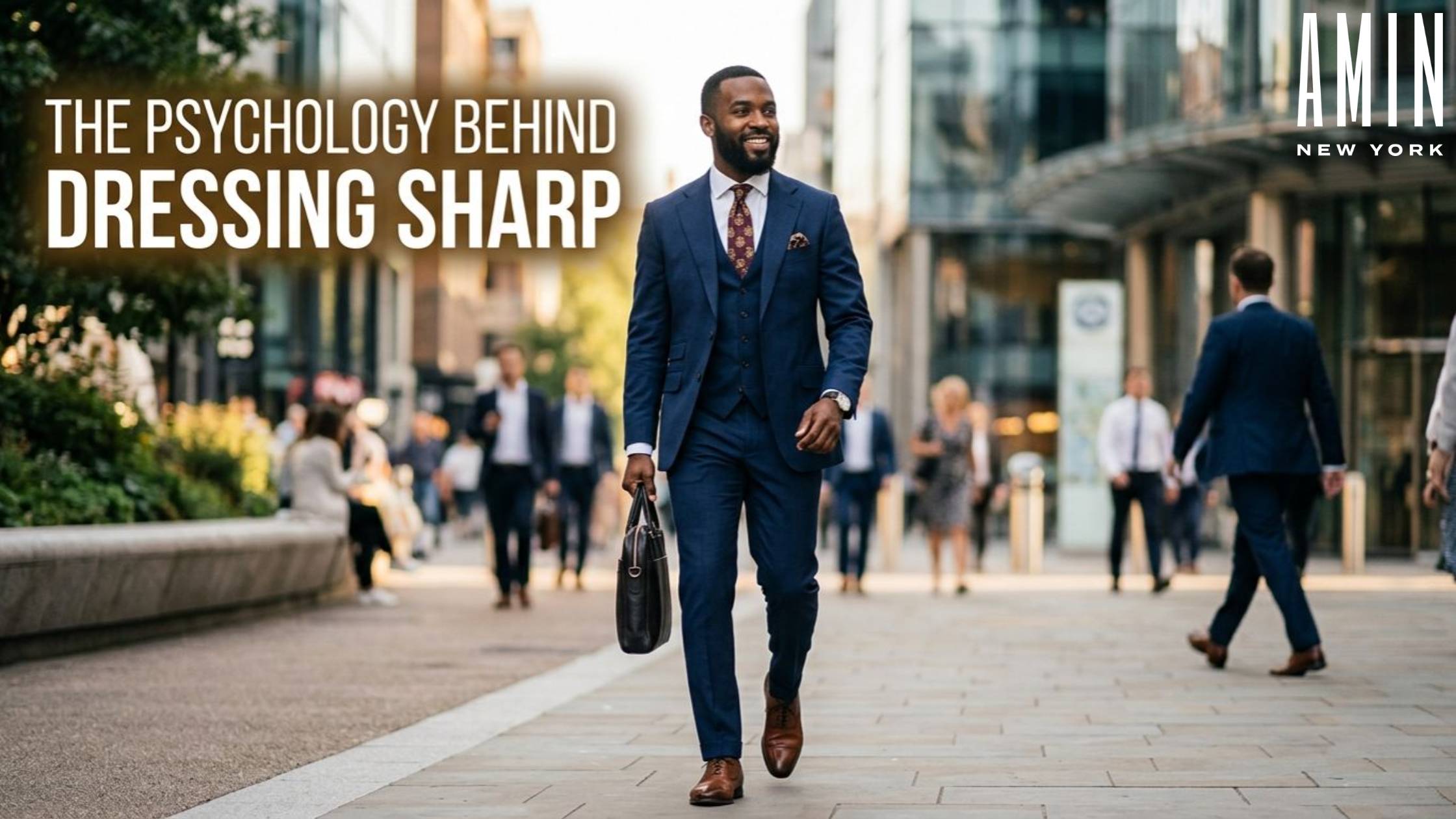
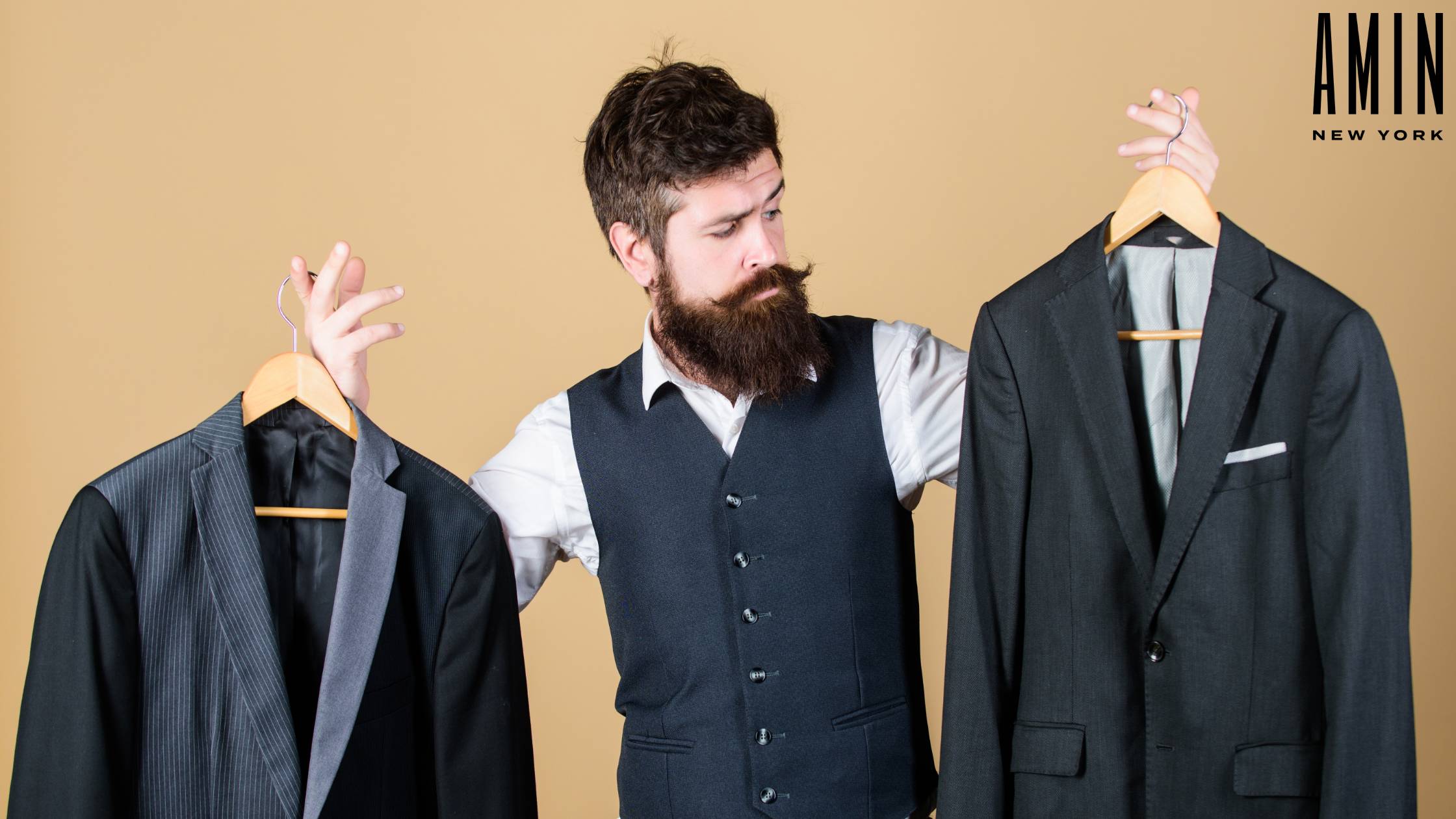
In a world where first impressions are formed within seconds, the way you dress plays a powerful role in shaping how others perceive you and how you perceive yourself. Dressing sharp is not just about fashion or trends; it is deeply rooted in psychology. The clothes you wear influence your confidence, behavior, mindset and even the reactions of people around you.
Whether it’s a tailored suit for a business meeting or a well-styled outfit for a social event, dressing sharp has the ability to transform not only your appearance but also your inner state. Understanding the psychology behind it can help you make more intentional and impactful style choices.
First Impressions and Visual Judgments
Human beings are naturally wired to make quick judgments based on visual cues. Within just a few seconds of meeting someone, people form opinions about their personality, professionalism and confidence. Clothing becomes one of the most immediate and influential factors in this process.
When you dress sharp, you send a signal of discipline, attention to detail and self-respect. On the other hand, a careless or poorly put-together outfit can create a negative impression, even before a conversation begins. This is why your appearance often speaks before you do.
The Confidence Connection
One of the most powerful psychological effects of dressing sharp is the boost in confidence it provides. When you know you look good, you naturally feel more self-assured. This confidence reflects in your posture, body language and communication style.
Well-fitted and stylish clothing can make you feel more in control and prepared, whether you are attending a meeting, giving a presentation or going on a date. This internal confidence often leads to better performance and more positive interactions.
Enclothed Cognition: How Clothes Affect Your Mind
The concept of enclothed cognition explains how clothing influences the way we think and behave. According to this psychological theory, what you wear can impact your mental processes, focus and decision-making abilities.
For example, wearing formal or structured clothing can make you feel more professional and attentive, while casual clothing may encourage a more relaxed mindset. Dressing sharp can help you mentally “step into” a role, making you more focused and goal-oriented.
The Impact on Social Perception
Dressing sharp not only affects how you feel but also how others treat you. People tend to associate well-dressed individuals with qualities such as competence, reliability and success. This perception can influence opportunities in both professional and social settings.
In business environments, a sharp appearance can increase credibility and trust. Clients and colleagues are more likely to take you seriously when you present yourself well. In social settings, it can enhance attractiveness and create a positive aura.
Attention to Detail Reflects Personality
A sharp outfit often reflects attention to detail, which is a highly valued trait in many aspects of life. From the fit of your clothes to the choice of accessories, every element contributes to the overall impression.
When you invest time in your appearance, it signals that you care about quality and presentation. This perception can extend beyond your style and influence how people evaluate your work, discipline and reliability.
The Role of Fit and Tailoring
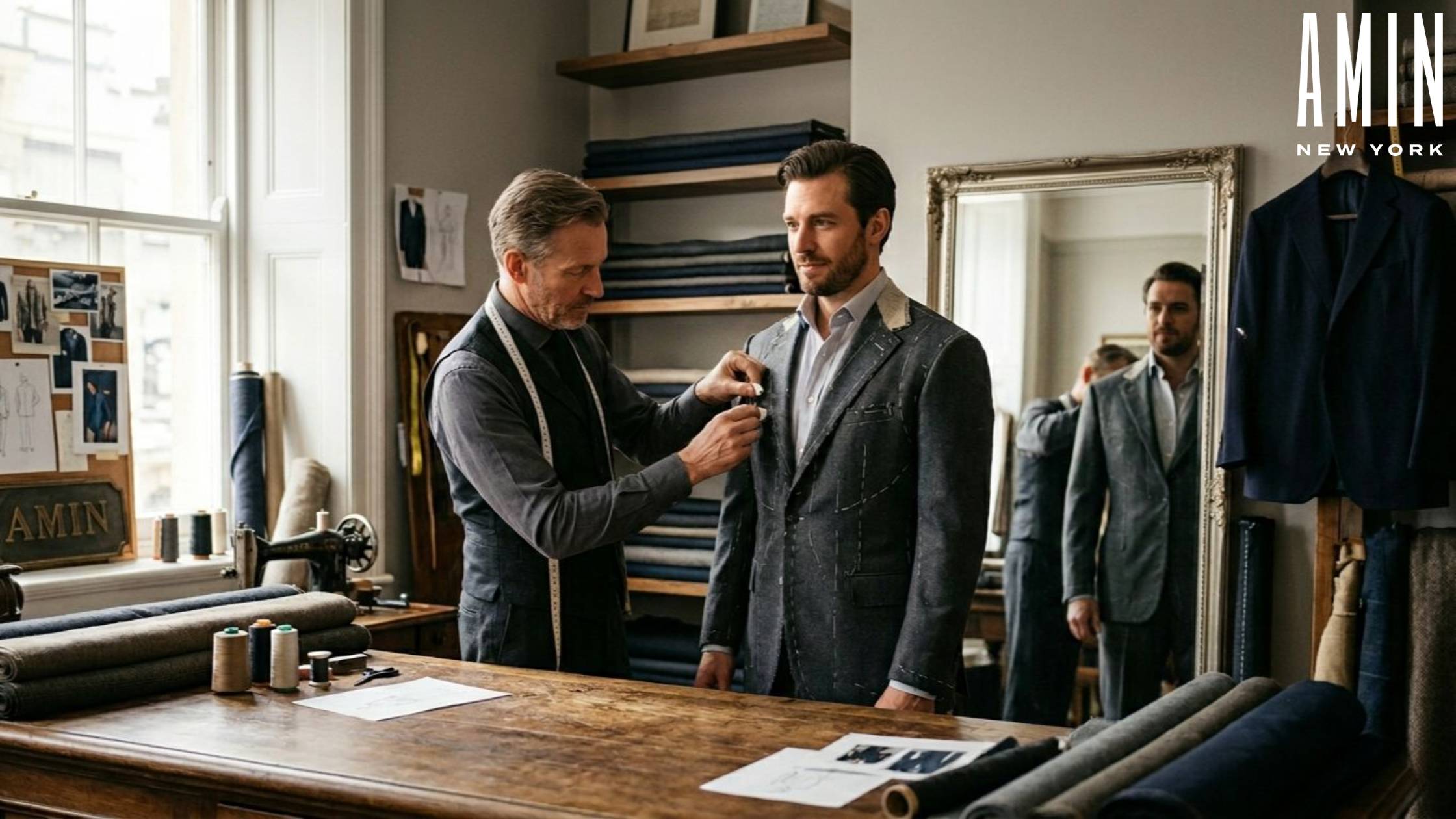
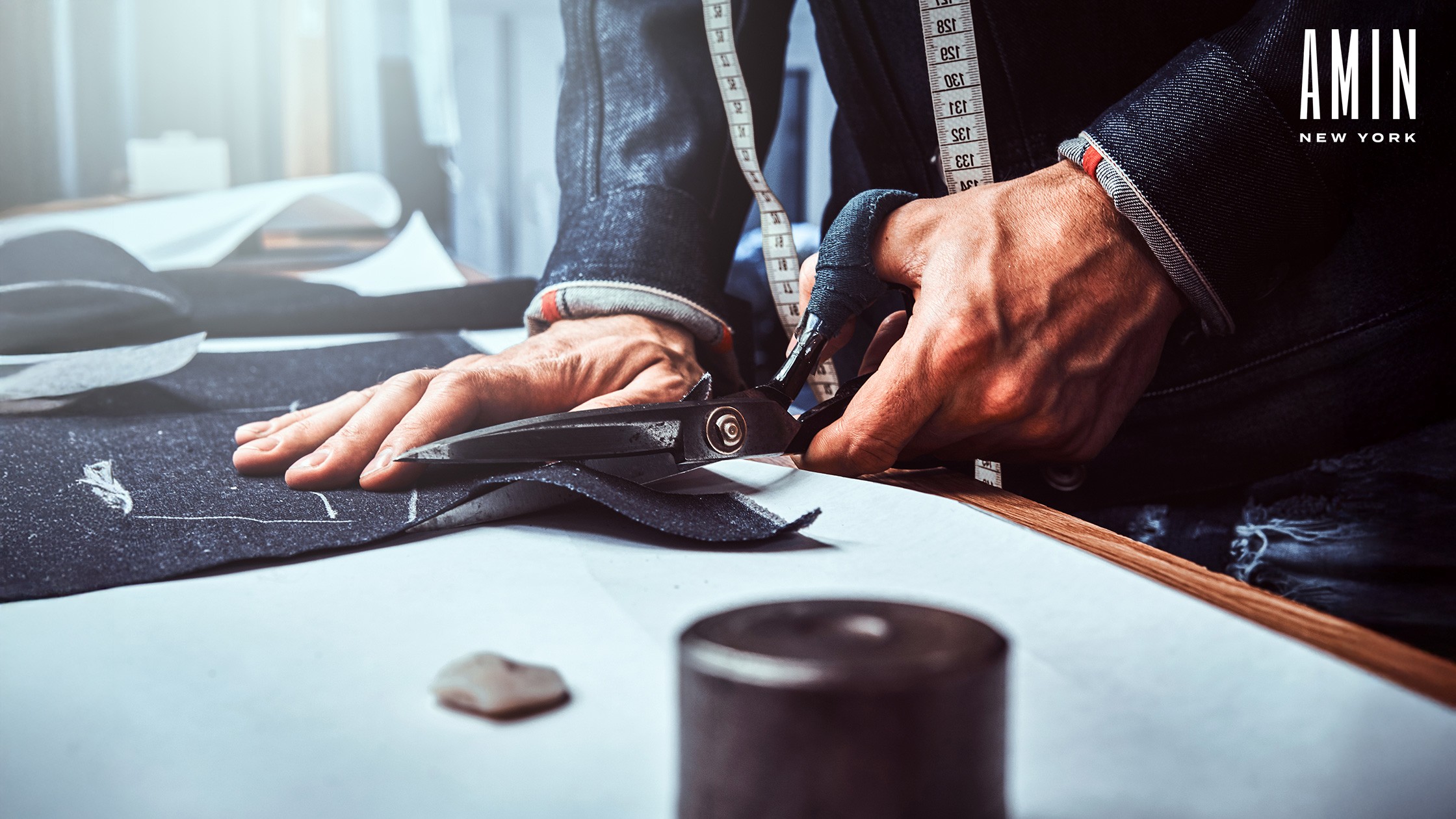
While brand and style matter, the fit of your clothing plays the most important role in dressing sharp. A well-tailored outfit enhances your body shape, improves posture and creates a clean and polished look.
Ill-fitting clothes, even if expensive, can reduce the overall impact of your appearance. Tailoring ensures that your outfit complements your physique and helps you carry yourself with confidence.
Dressing Sharp as a Habit
Dressing sharp is not just for special occasions it can become a daily habit that positively influences your mindset. When you consistently present yourself well, it creates a sense of discipline and self-respect.
Over time, this habit can lead to improved productivity, better interactions and a stronger personal brand. It also helps you feel prepared for unexpected opportunities, as you are always presenting your best self.
Emotional and Psychological Uplift
Clothing has the ability to influence your mood. Wearing outfits that make you feel good can uplift your emotions and reduce stress. Colors, textures and styles all play a role in shaping your emotional state.
For instance, darker tones often convey authority and sophistication, while lighter shades can create a sense of freshness and positivity. Choosing the right outfit can help you align your mood with the occasion.
Final Thoughts
Dressing sharp is far more than a style choice; it is a psychological tool that can enhance your confidence, influence your behavior and shape how others perceive you. By understanding the psychology behind clothing, you can make more intentional decisions that support your personal and professional goals.
Whether it’s a perfectly tailored suit or a thoughtfully styled outfit, the way you dress has the power to elevate your presence and leave a lasting impression. In the end, dressing sharp is not about impressing others, it's about becoming the best version of yourself.
FAQs
1. What does “dressing sharp” mean?
It refers to wearing well-fitted, stylish and polished clothing that enhances your appearance.
2. Does clothing really affect confidence?
Yes, the way you dress can significantly impact your confidence and behavior.
3. What is enclothed cognition?
It is a psychological concept that explains how clothing influences thoughts and actions.
4. Is tailoring important for dressing sharp?
Yes, proper fit and tailoring are essential for a polished and professional look.
5. Can dressing sharp improve professional success?
Yes, it can enhance credibility, create positive impressions and open up new opportunities.
Related Blogs

Men's Custom Suits for Men Who Have Outgrown Ordinary Style
Aug 10, 2026

Your Wedding Story Deserves a Suit Made Just for You
Aug 3, 2026

Ready to Upgrade Your Style? Start with the Right Men's Suit Tailor
Jul 27, 2026

Bespoke Tailoring for Men Who Never Compromise on Style
Jul 20, 2026

Why High Performers Choose Custom Suits Over Designer Labels
Jul 13, 2026

Why Some Grooms Command Attention the Moment They Walk In
Jul 6, 2026

Looking Successful Starts Long Before You Say a Word
Jun 29, 2026
Why Discerning Grooms Choose Tailoring Over Trends
Jun 15, 2026
Why a Bespoke Suit Is the Ultimate Statement of Personal Style
Jun 8, 2026
When Opportunity Knocks, Your Appearance Answers First
Jun 2, 2026
Custom Wedding Suits That Help You Look Refined in Every Wedding Photo
May 25, 2026
Not Off-the-Rack. Not Average. Get a Fully Custom Men’s Suit Tailored for You
May 18, 2026
Why Successful Men Invest in Bespoke Tailoring
May 11, 2026
Because the Moment Deserves More: Wedding Suits Designed with Intention
May 4, 2026
Why Two Men in the Same Suit Look Completely Different
Apr 27, 2026
Not Just a Product, It’s Your Identity: The Power of Custom Design
Apr 20, 2026

Why the “Slow Fashion” Movement is the Future of Urban Wear
Apr 13, 2026

First Impressions Matter: Why Your Suit Defines You
Mar 23, 2026
Latest Custom Party Wear Styles for Men Who Want to Stand Out
Mar 16, 2026
Best Designer Suits for Men for Business, Weddings and Formal Events
Mar 9, 2026
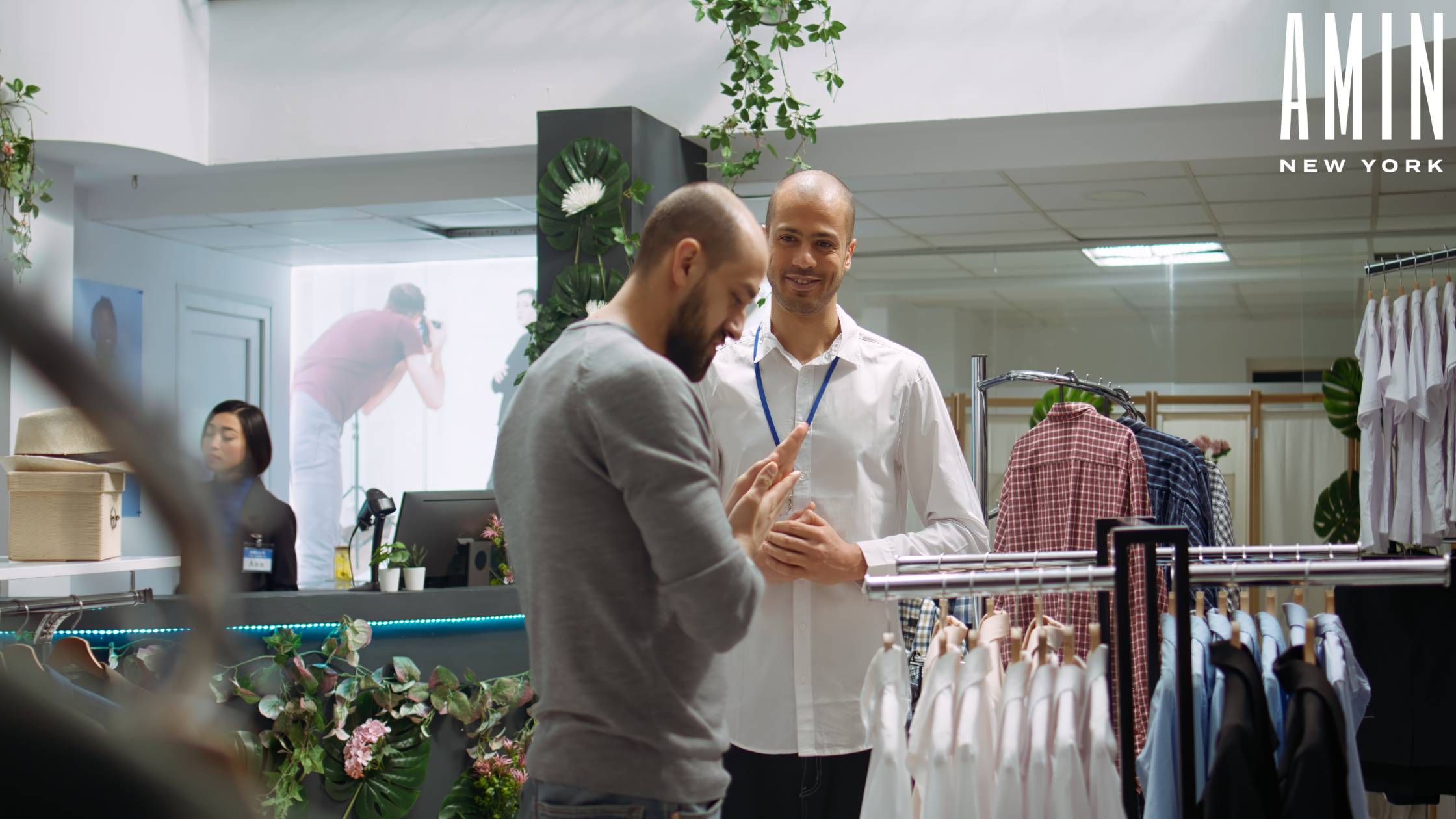
Is a Custom Wedding Suit Right for You? Key Questions to Ask Your Tailor
Mar 3, 2026

How Well-Fitted Clothing Helps Students Speak and Lead with Confidence
Feb 24, 2026
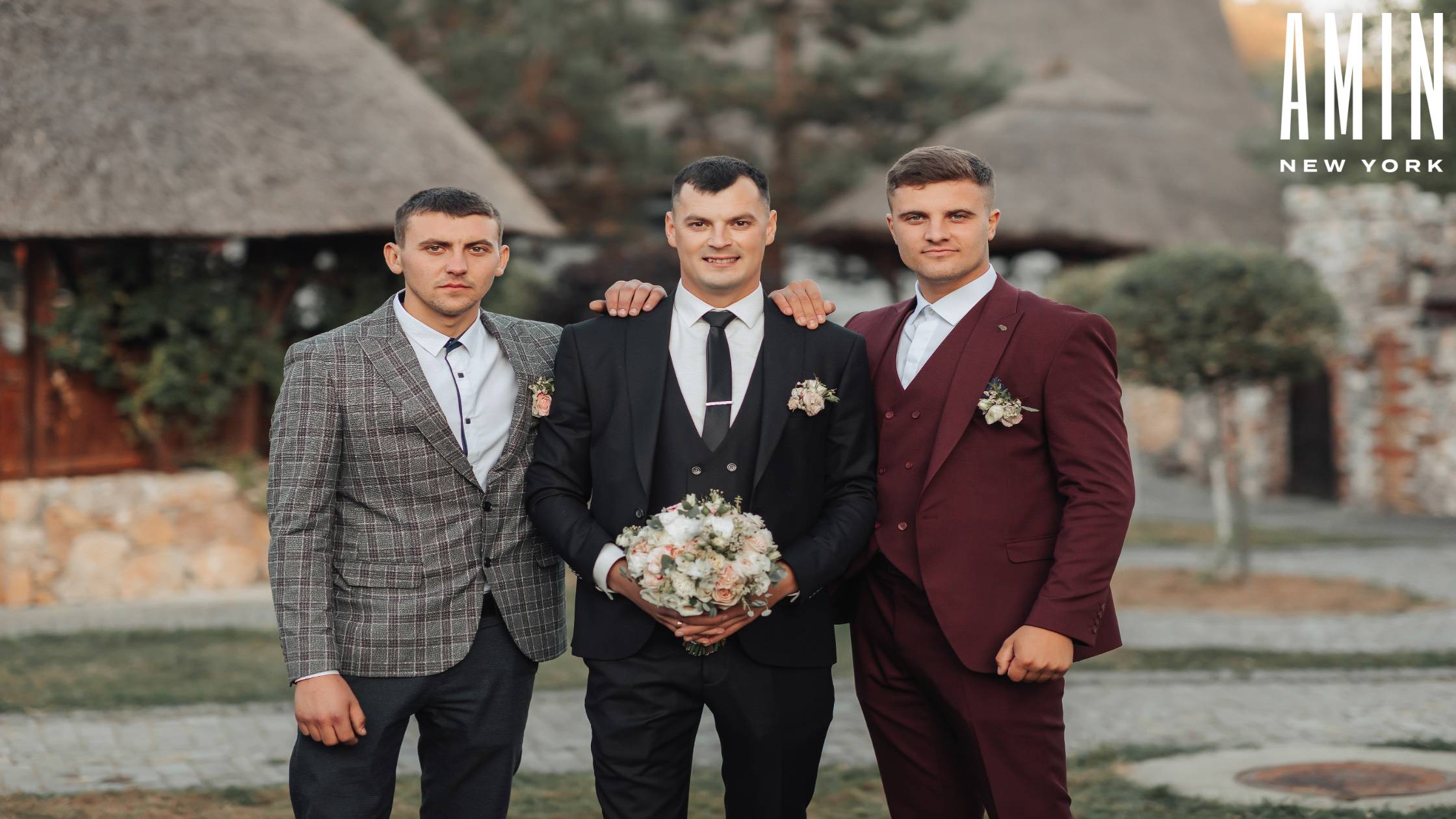
How to Coordinate Groomsmen Suits with Bridesmaids’ Dresses for a Timeless Wedding Look
Feb 18, 2026
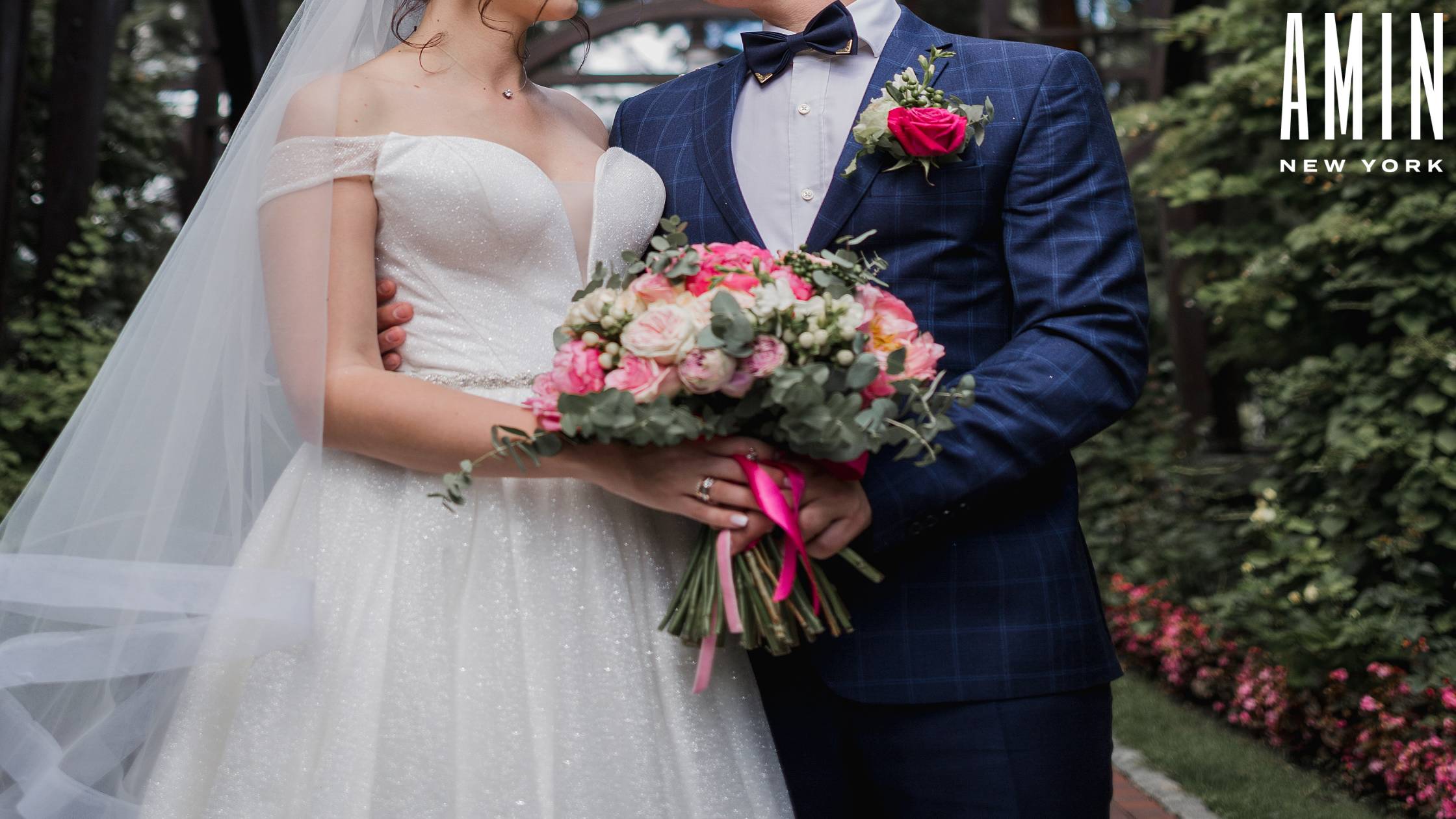
Black Isn’t the Only Option: Wedding Suit Colors Every Groom Is Loving
Feb 10, 2026

Why Winter Weddings Demand a Custom-Made Suit – Fit, Fabric and Flawless Style
Feb 3, 2026
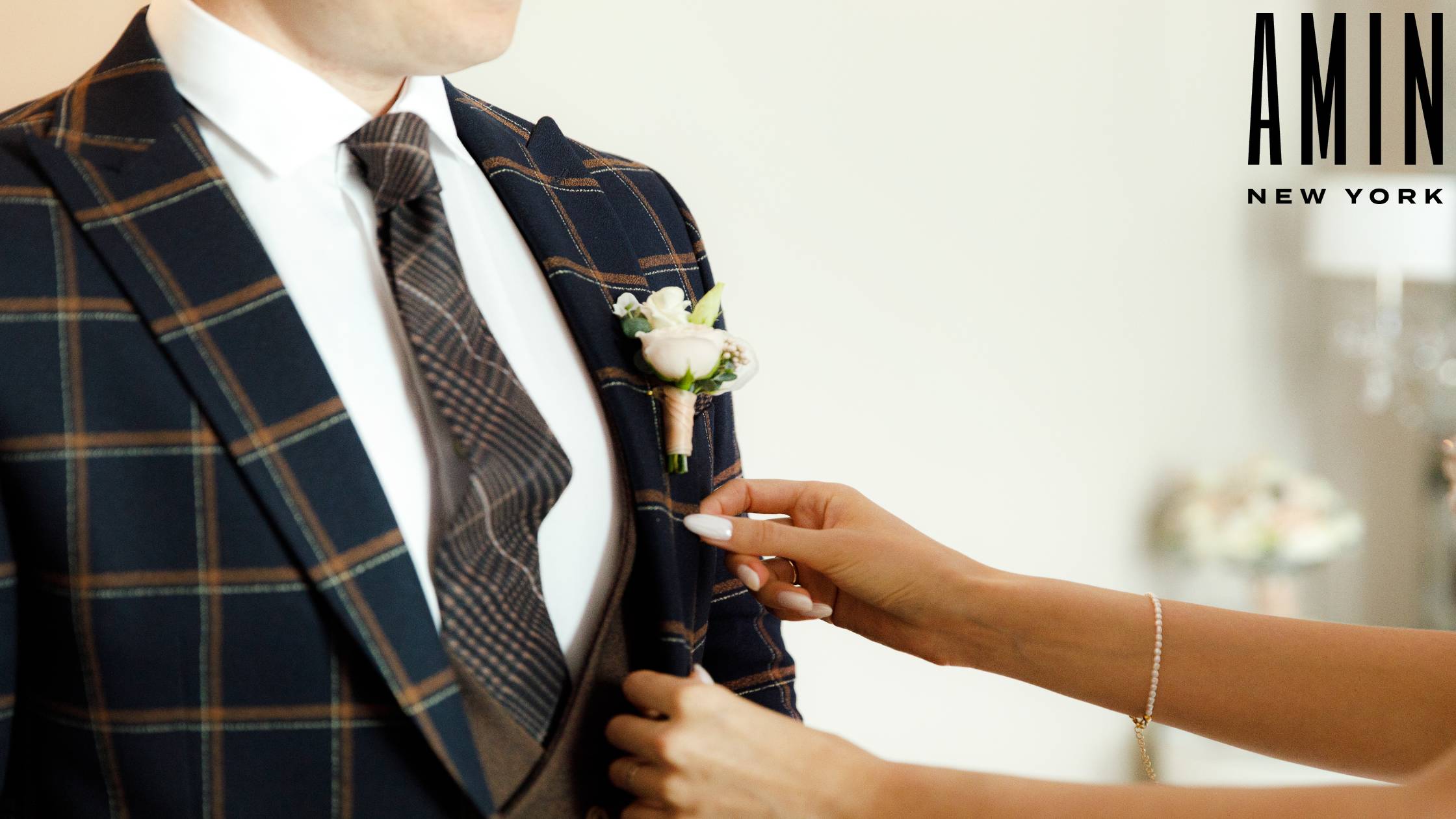
Perfect Wedding Suit Fit: Essential Tailoring Tips Every Groom Needs to Know
Jan 28, 2026

Dressing for Success: The Secret Behind Confident Professionals
Jan 19, 2026
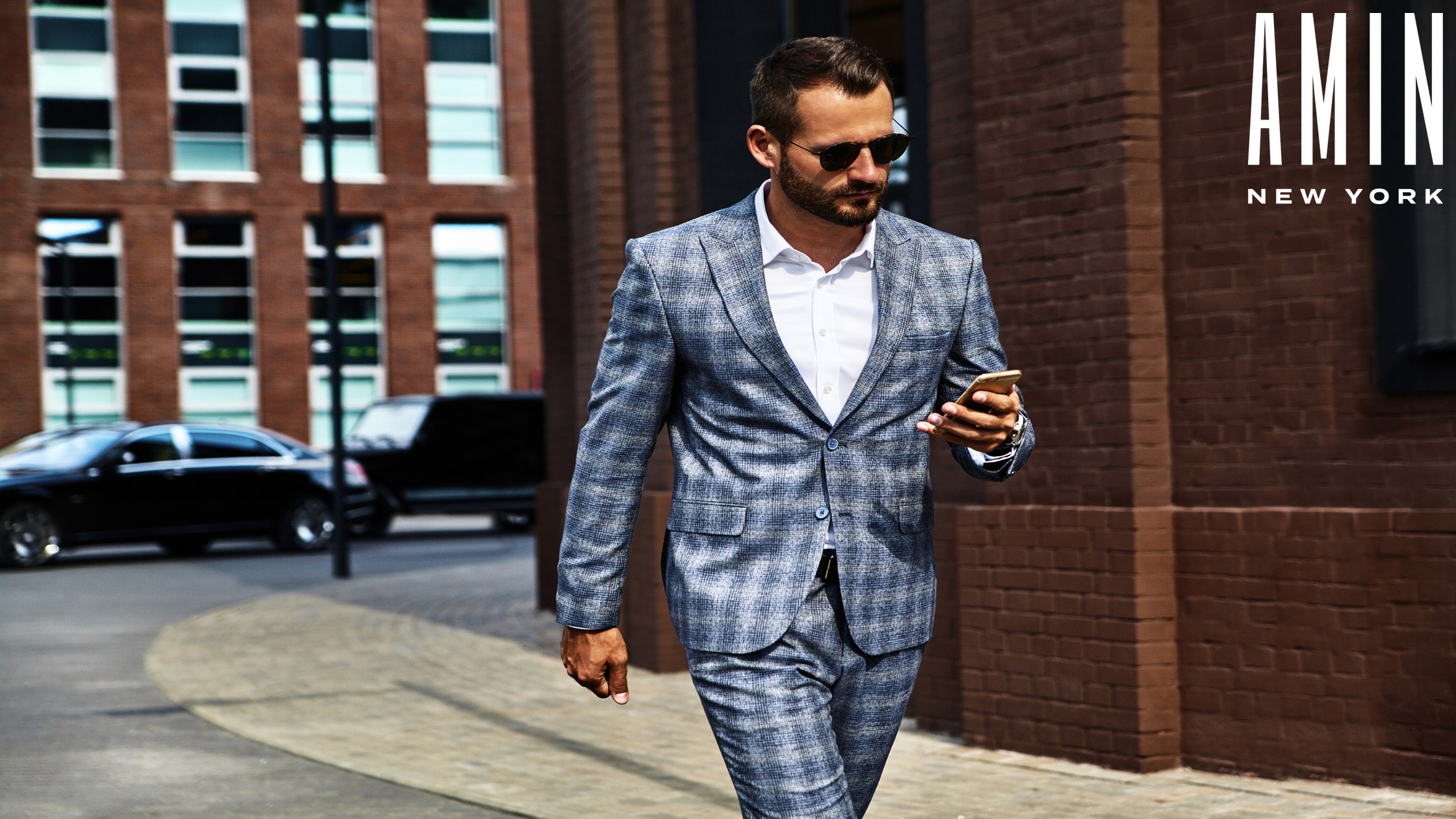
Men’s Style Simplified: Outfits That Instantly Impress
Jan 12, 2026
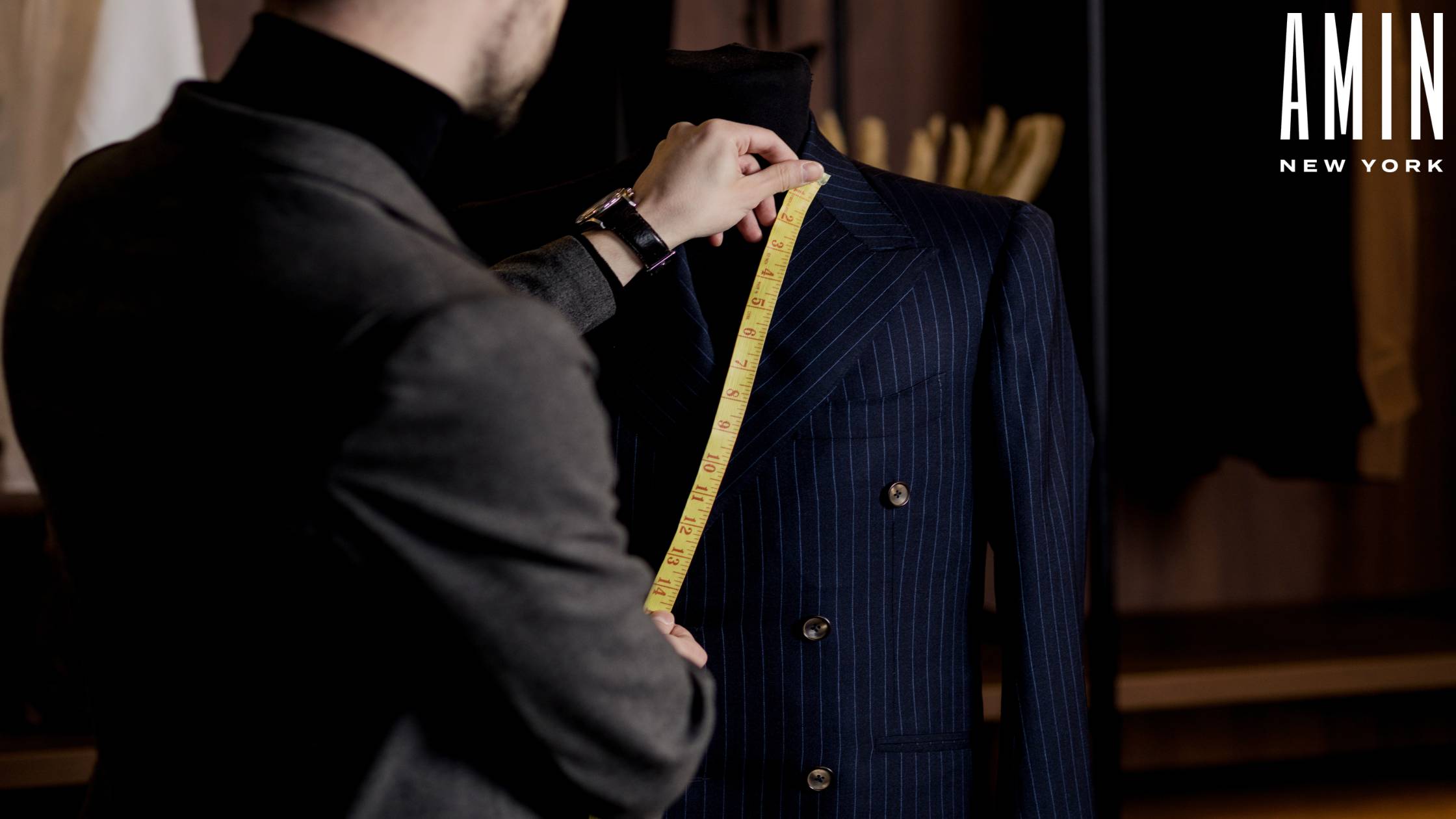
Step-by-Step Guide: Measuring for Custom Wedding Suits for Men
Jan 5, 2026
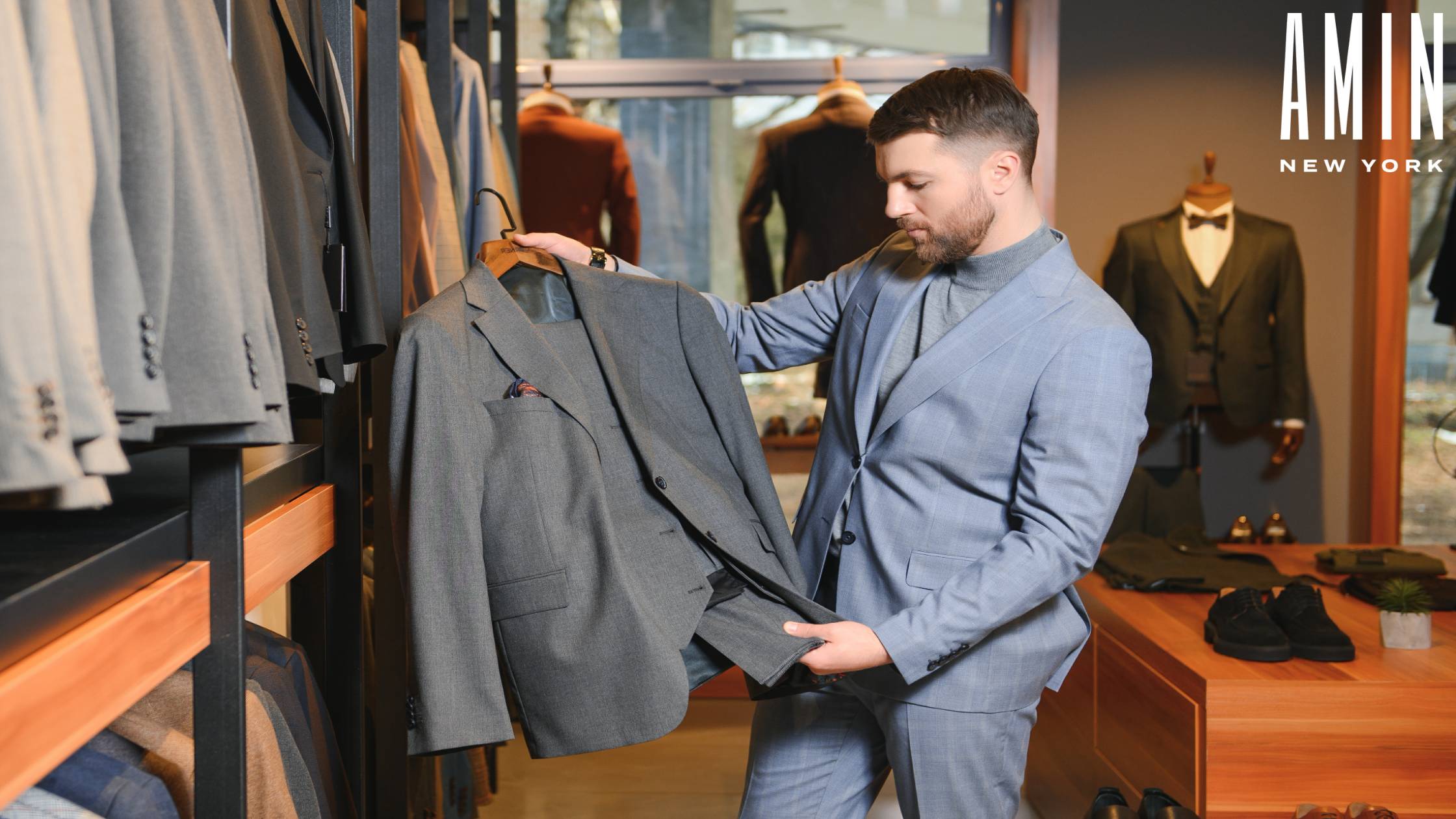
How to Choose the Best Custom Tailored Suits for Your Body Shape
Dec 30, 2025

How to Choose the Best Bespoke Tailor Near Me: A Complete Buyer’s Guide
Dec 24, 2025
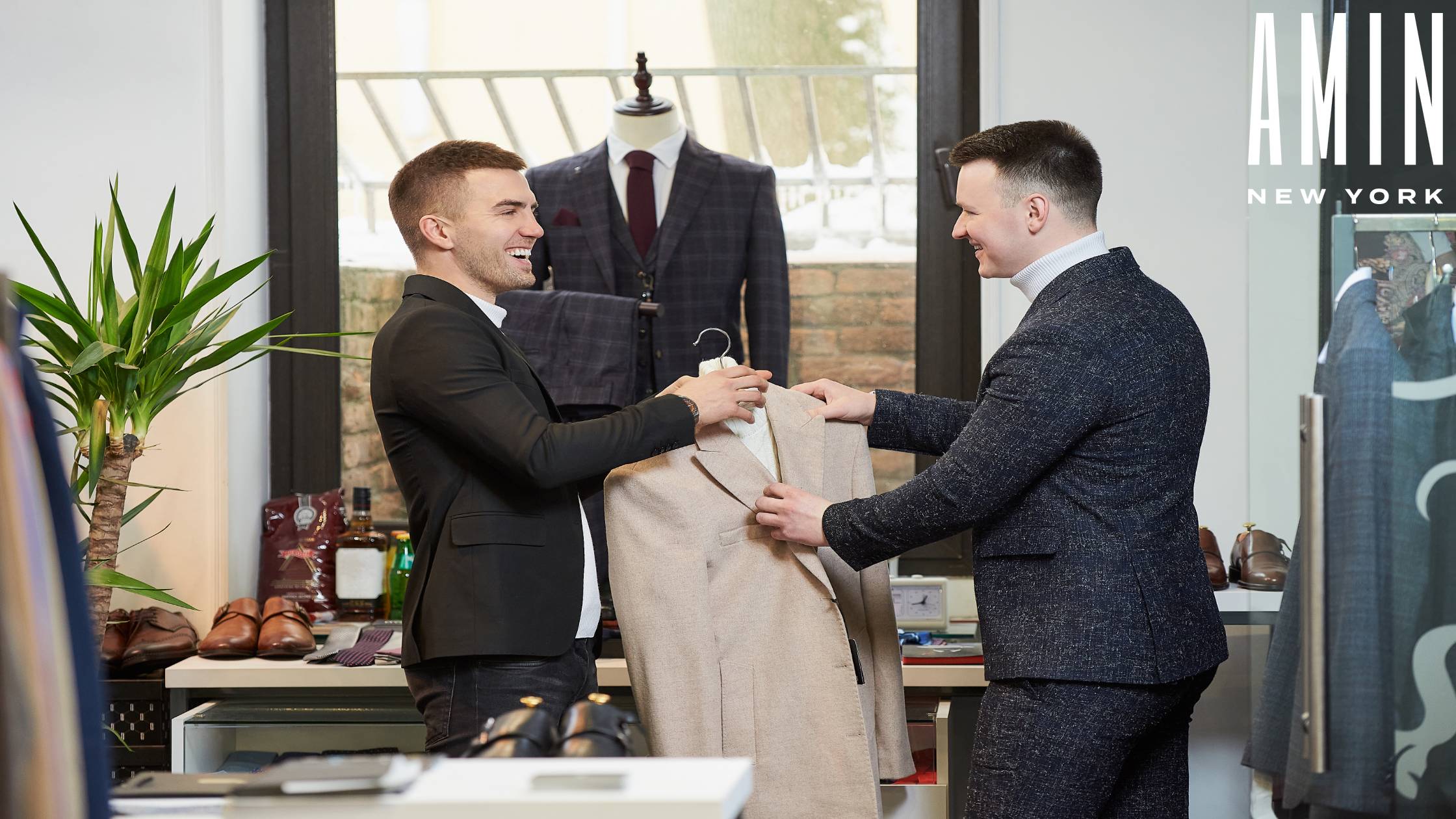
Save Shopping Time with Custom Tailored Clothing
Dec 11, 2025

Keep Warm in Style: Men’s Winter Dress Coats You’ll Love
Dec 5, 2025

Save Time & Look Sharp: The Advantage of Custom Tailored Clothing
Nov 27, 2025

Suit Color Tips That Boost Your Confidence in Job Interviews
Nov 20, 2025
Sustainable Style in the Office: How Custom Tailoring Aligns with Eco-Conscious Dress Codes
Nov 13, 2025
Custom Suit Near Me
Nov 6, 2025
From Tuxedos to Tweed: Must-Try Winter Outfit Ideas for Men
Oct 30, 2025

Tailored Perfection: The Future of Online Tuxedo Design
Oct 16, 2025

Power Dressing: How Custom Outfits Boost Women’s Confidence
Oct 10, 2025

Luxury Women’s Dresses That Redefine Elegance for Wedding Events
Oct 3, 2025
How a Well-Fitted Suit Elevates Your Style Instantly
Sep 18, 2025
Why Bespoke Tailoring is the Secret to Impeccable Style
Sep 11, 2025

Smart Casual Looks That Redefine Modern Men’s Fashion
Sep 4, 2025
The Art of Balancing Comfort and Elegance on Your Wedding Day
Aug 28, 2025

From Office to Wedding: Versatile Affordable Luxury Suits for Men
Aug 21, 2025

Slim Fit 2 Piece Custom Suit vs. Off-the-Rack: What’s Worth Your Money?
Aug 14, 2025

Custom Tuxedo for Men: The Groom’s Guide to Looking Sharp
Aug 7, 2025

Top Occasions to Wear a Tailored 3 Piece Suit with Confidence
Aug 1, 2025

Stylish Custom Suits for Special Occasions: How to Dress to Impress
Jul 24, 2025

What to Expect During Your First Personalized Suit Fitting Appointment
Jul 16, 2025

How Tailored Clothing for Men Enhances Your Professional Look
Jul 9, 2025

Best Fabrics for Affordable Luxury Suits Every Man Should Know
Jul 7, 2025