Why the “Slow Fashion” Movement is the Future of Urban Wear
Apr 13, 2026
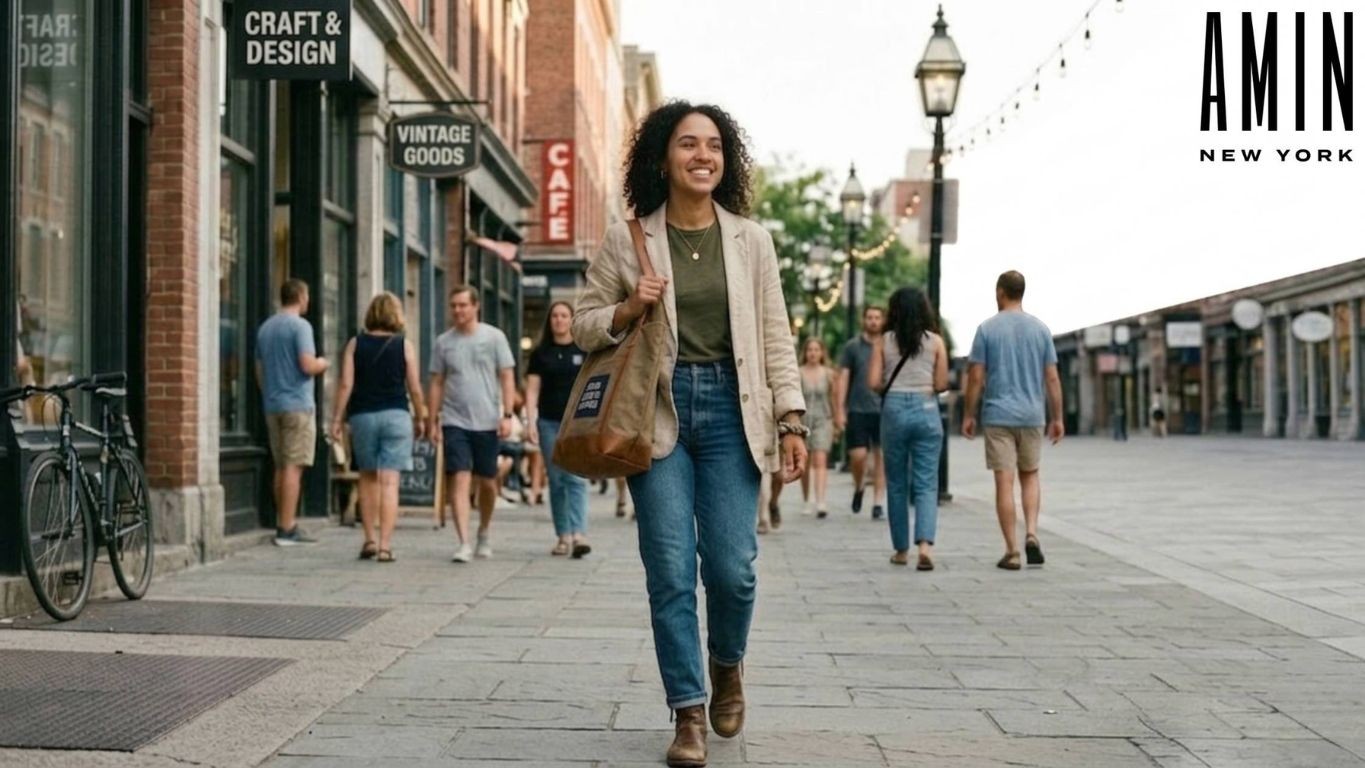
In today’s fast-paced world, fashion trends change almost overnight. What’s popular today may become outdated tomorrow. However, a powerful shift is taking place in the industry, one that prioritizes quality, sustainability and mindful consumption over speed. This shift is known as the slow fashion movement and it is rapidly becoming the future of urban wear.
As consumers grow more aware of environmental issues and ethical concerns, slow fashion is no longer just a niche concept. It is evolving into a mainstream lifestyle, especially in urban environments where style meets consciousness.
What is Slow Fashion?
Slow fashion is an approach to clothing that focuses on quality over quantity. Instead of producing large volumes of cheap, disposable garments, slow fashion emphasizes durability, ethical production and timeless design.
It encourages consumers to invest in fewer but better pieces of clothing that lasts longer, fits better, and aligns with personal values. This movement stands in contrast to fast fashion, which often prioritizes low cost and rapid production at the expense of sustainability.
The Rise of Conscious Urban Consumers
Urban consumers today are more informed and mindful than ever before. With access to information through digital platforms, people are becoming aware of how their purchasing decisions impact the environment and society.
This awareness is driving a shift in buying behavior. Instead of chasing trends, urban consumers are now choosing brands that reflect their values whether it’s sustainability, ethical labor practices or eco-friendly materials.
Slow fashion perfectly aligns with this mindset, making it increasingly popular in cities around the world.
Quality That Speaks for Itself
One of the defining features of slow fashion is its emphasis on quality. Well-designed garments not only look better but also feel more comfortable and last longer.
For instance, investing in custom-made suits offers a perfect fit, superior craftsmanship, and a timeless look. Such pieces are not just clothing they become a part of your identity, suitable for multiple occasions and years of use.
In urban settings, where versatility matters, high-quality clothing becomes a practical and stylish choice.
Sustainability and Environmental Impact
The fashion industry is one of the largest contributors to environmental pollution. Fast fashion, in particular, generates massive waste and consumes significant resources.
Slow fashion addresses these issues by promoting sustainable practices such as:
Using eco-friendly materials
Reducing waste through limited production
Encouraging recycling and upcycling
Supporting local and ethical manufacturing
For urban consumers who are increasingly eco-conscious, these factors play a major role in shaping purchasing decisions.
The Role of Ethical Production
Another important aspect of slow fashion is ethical production. It ensures that workers involved in the manufacturing process are treated fairly and paid adequately.
Urban buyers are now looking beyond just the product they want to know the story behind it. Transparency in sourcing and production builds trust and strengthens brand loyalty.
By supporting slow fashion, consumers contribute to a more humane and responsible industry.
Timeless Style in Urban Wear
Urban fashion is evolving from trend-driven to identity-driven. People are now focusing on personal style rather than blindly following trends.
Slow fashion supports this shift by offering timeless designs that can be styled in multiple ways. Neutral colors, classic cuts and versatile pieces allow individuals to create unique looks without constantly buying new clothes.
This not only reduces waste but also helps build a more intentional wardrobe.
Technology and the Future of Slow Fashion
Technology is playing a crucial role in advancing the slow fashion movement. From sustainable fabric innovations to transparent supply chains, modern tools are helping brands operate more responsibly.
Online platforms also allow smaller, ethical brands to reach urban audiences directly. Consumers can now make informed decisions with just a few clicks, further accelerating the adoption of slow fashion.
Challenges of Slow Fashion
While slow fashion offers numerous benefits, it also comes with challenges. Higher costs can be a barrier for some consumers, as ethical production and quality materials often come at a premium.
Additionally, changing long-established consumer habits takes time. Many people are still привыкed to fast fashion due to its affordability and convenience.
However, as awareness continues to grow, these challenges are gradually being addressed.
Why Slow Fashion is the Future
The future of urban wear lies in sustainability, individuality, and responsibility and slow fashion embodies all three. It represents a shift from impulsive buying to mindful consumption.
As cities continue to grow and environmental concerns become more pressing, the demand for sustainable fashion will only increase. Brands that adapt to this change will thrive, while those that ignore it may struggle to stay relevant.
Final Thoughts
The slow fashion movement is more than just a trend, it's a transformation in how we think about clothing. For urban consumers, it offers a way to stay stylish while making responsible choices.
By choosing quality over quantity, supporting ethical practices and embracing timeless designs, individuals can contribute to a more sustainable future.
In the end, slow fashion is not about slowing down style, it's about making fashion smarter, more meaningful and built to last.
FAQs
1. What is slow fashion?
Slow fashion focuses on quality, sustainability and ethical production instead of fast, mass-produced clothing.
2. Why is slow fashion important?
It reduces environmental impact, supports fair labor and promotes mindful consumption.
3. Is slow fashion expensive?
It can be initially costly, but it saves money in the long run due to durability and quality.
4. How can I adopt slow fashion?
Start by buying fewer, high-quality pieces, supporting ethical brands and reusing or recycling clothing.
5. Is slow fashion suitable for urban lifestyles?
Yes, it offers versatile, durable and stylish options that fit modern urban needs.
Related Blogs

Men's Custom Suits for Men Who Have Outgrown Ordinary Style
Aug 10, 2026

Your Wedding Story Deserves a Suit Made Just for You
Aug 3, 2026

Ready to Upgrade Your Style? Start with the Right Men's Suit Tailor
Jul 27, 2026

Bespoke Tailoring for Men Who Never Compromise on Style
Jul 20, 2026

Why High Performers Choose Custom Suits Over Designer Labels
Jul 13, 2026

Why Some Grooms Command Attention the Moment They Walk In
Jul 6, 2026

Looking Successful Starts Long Before You Say a Word
Jun 29, 2026
Why Discerning Grooms Choose Tailoring Over Trends
Jun 15, 2026
Why a Bespoke Suit Is the Ultimate Statement of Personal Style
Jun 8, 2026
When Opportunity Knocks, Your Appearance Answers First
Jun 2, 2026
Custom Wedding Suits That Help You Look Refined in Every Wedding Photo
May 25, 2026
Not Off-the-Rack. Not Average. Get a Fully Custom Men’s Suit Tailored for You
May 18, 2026
Why Successful Men Invest in Bespoke Tailoring
May 11, 2026

Because the Moment Deserves More: Wedding Suits Designed with Intention
May 4, 2026
Why Two Men in the Same Suit Look Completely Different
Apr 27, 2026
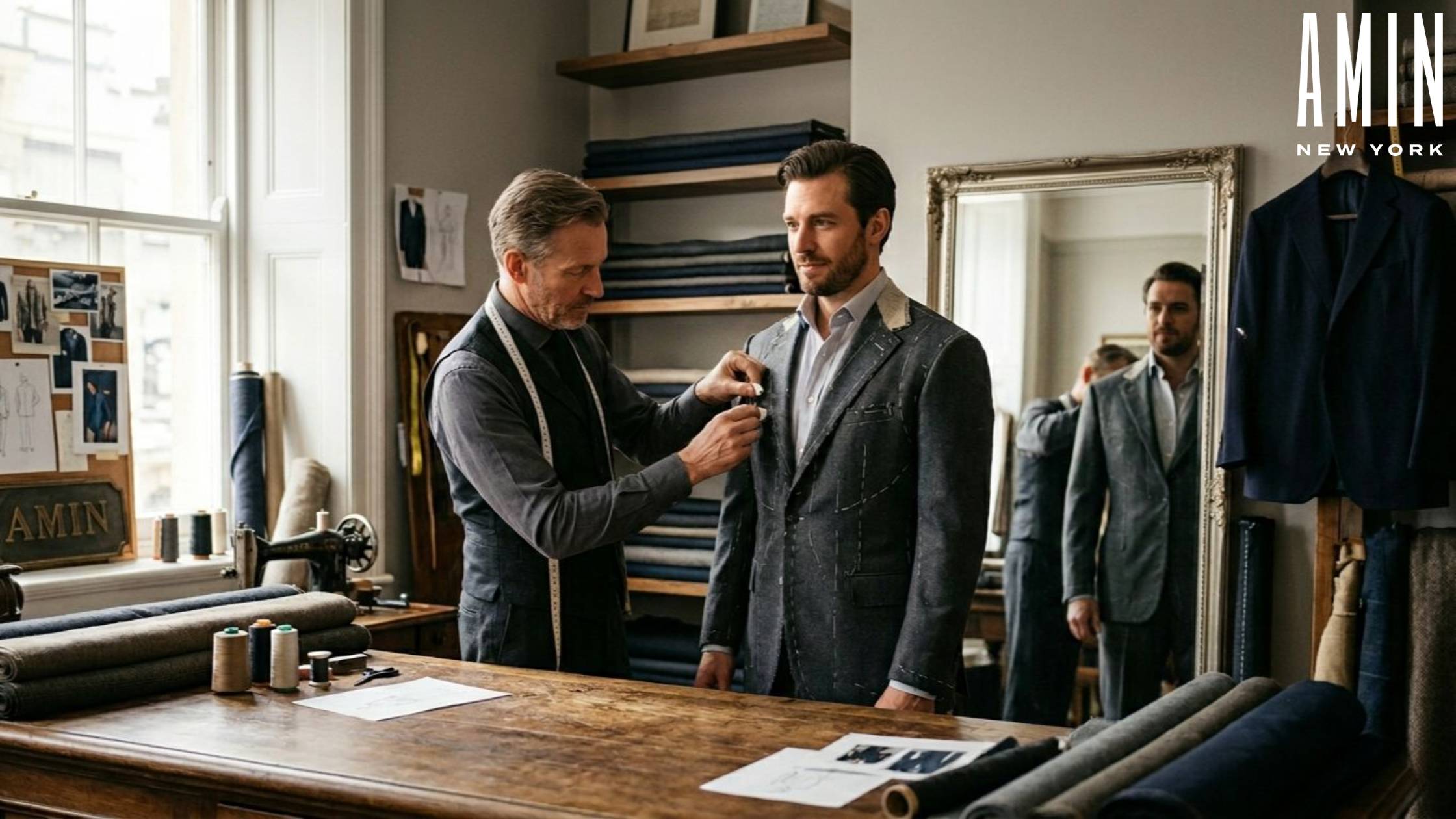
Not Just a Product, It’s Your Identity: The Power of Custom Design
Apr 20, 2026
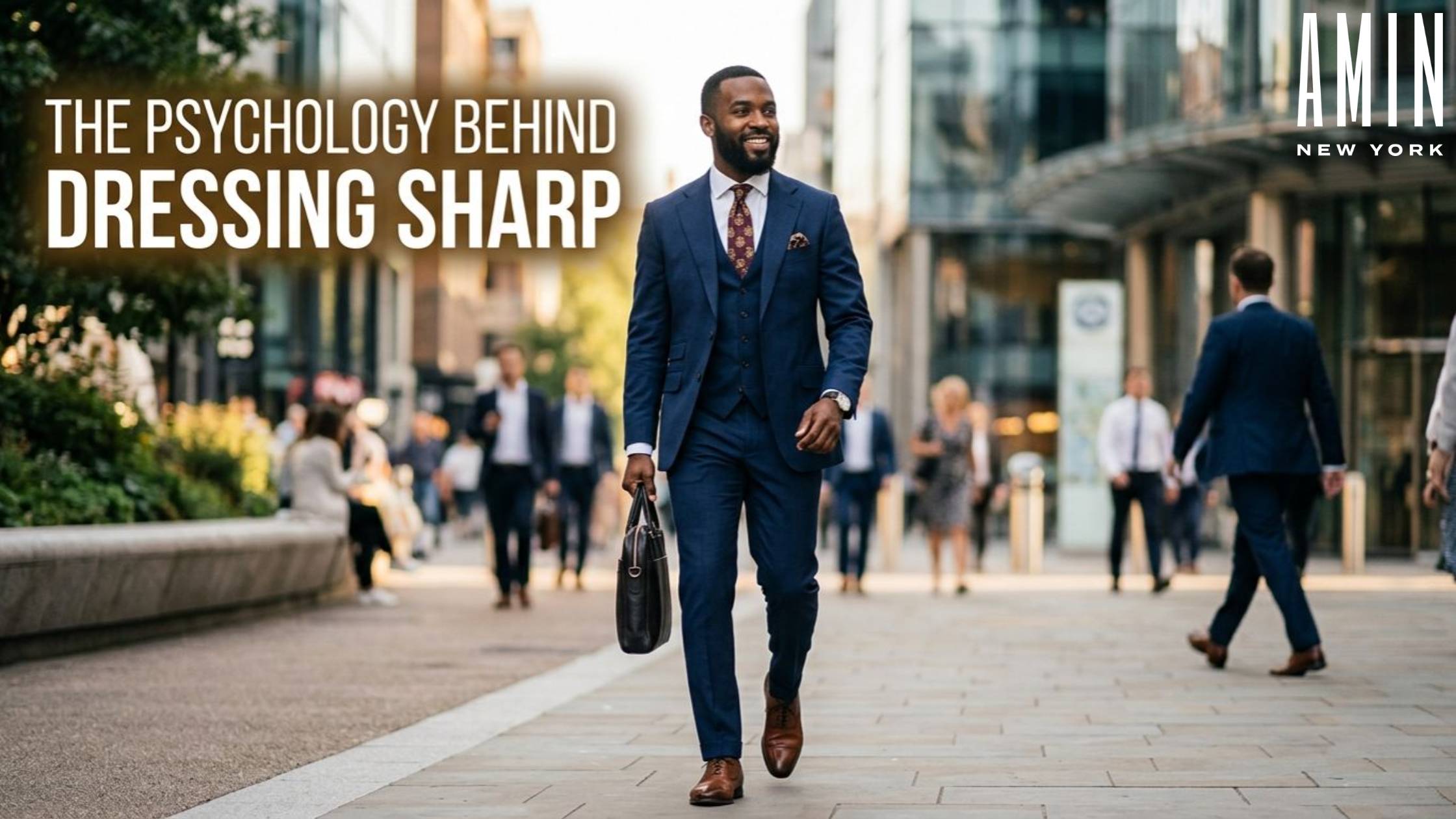
The Psychology Behind Dressing Sharp
Apr 6, 2026

First Impressions Matter: Why Your Suit Defines You
Mar 23, 2026

Latest Custom Party Wear Styles for Men Who Want to Stand Out
Mar 16, 2026
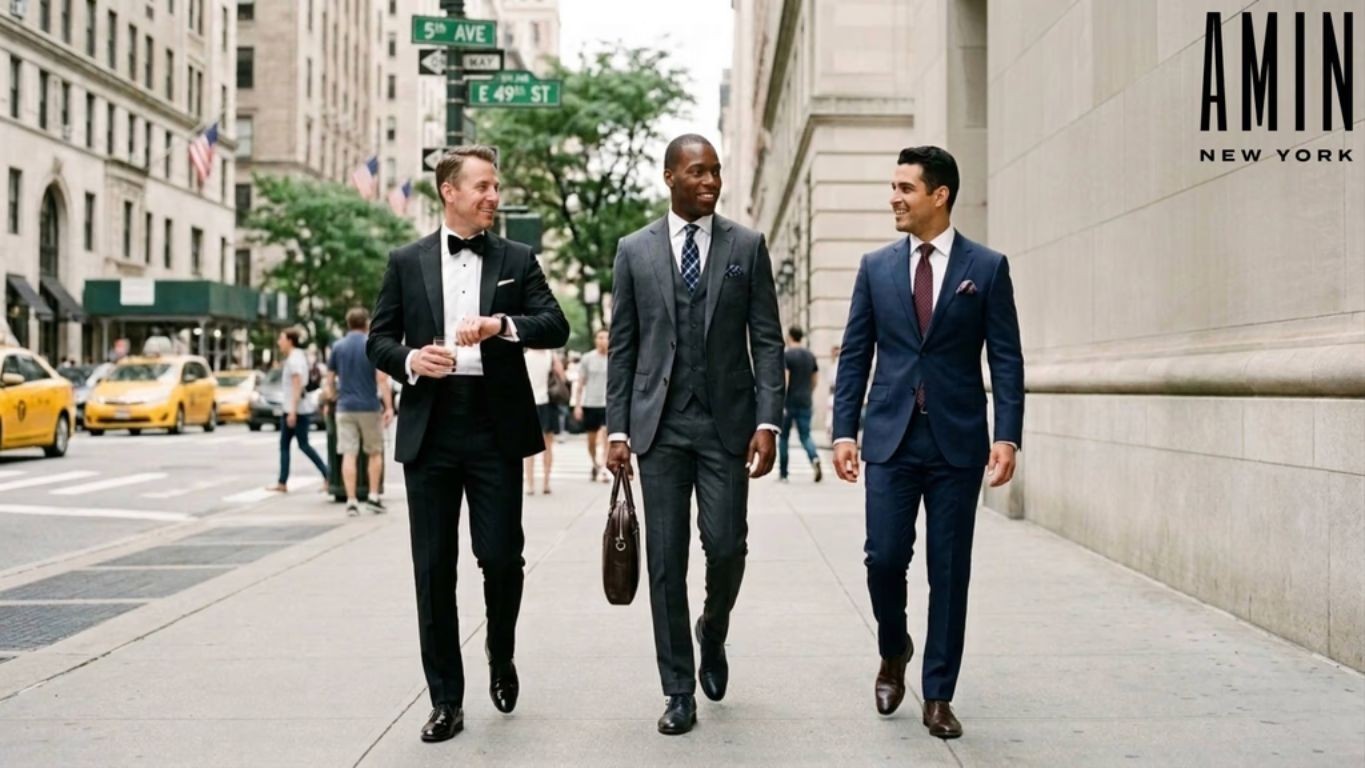
Best Designer Suits for Men for Business, Weddings and Formal Events
Mar 9, 2026

Is a Custom Wedding Suit Right for You? Key Questions to Ask Your Tailor
Mar 3, 2026

How Well-Fitted Clothing Helps Students Speak and Lead with Confidence
Feb 24, 2026

How to Coordinate Groomsmen Suits with Bridesmaids’ Dresses for a Timeless Wedding Look
Feb 18, 2026
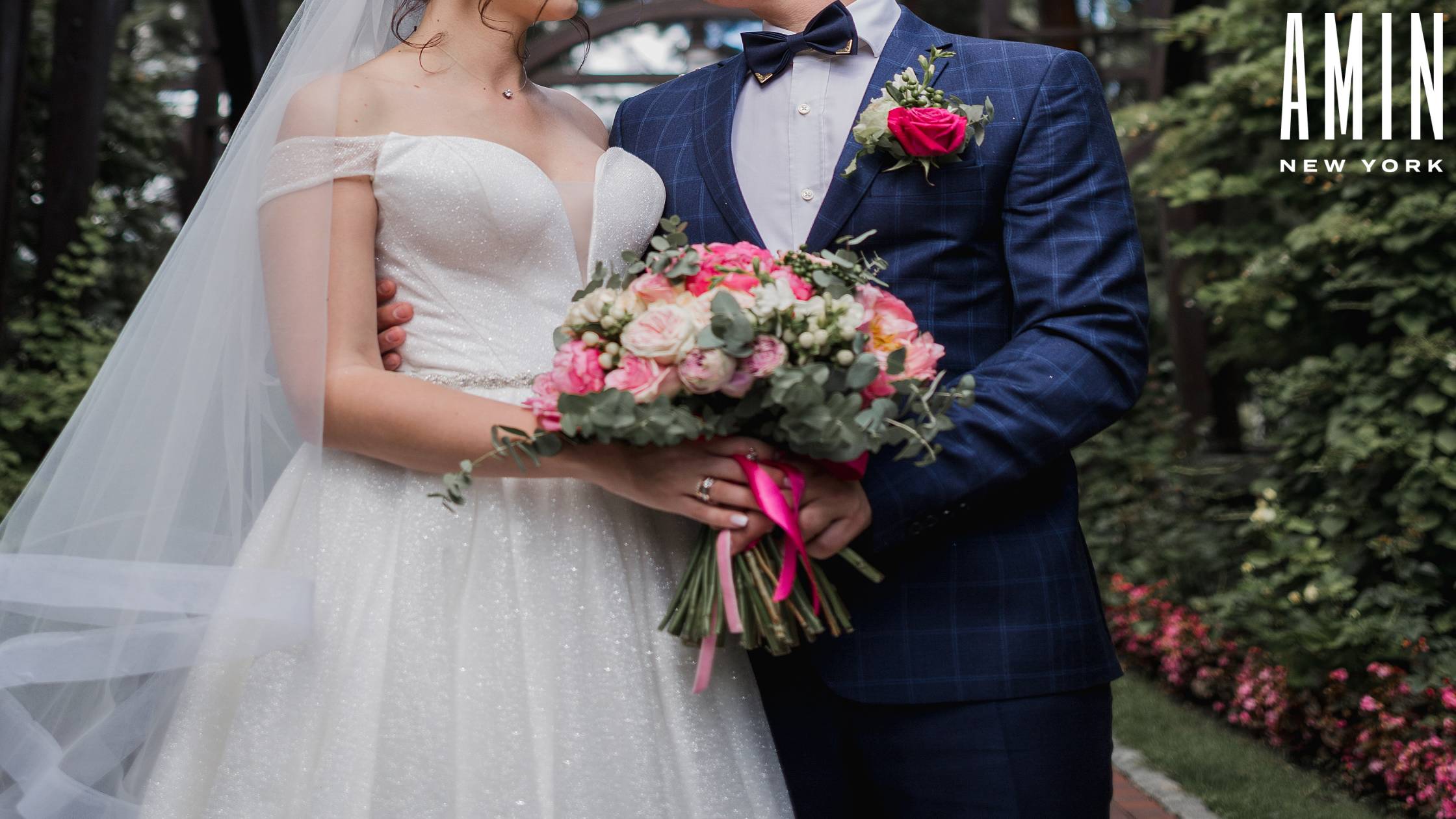
Black Isn’t the Only Option: Wedding Suit Colors Every Groom Is Loving
Feb 10, 2026

Why Winter Weddings Demand a Custom-Made Suit – Fit, Fabric and Flawless Style
Feb 3, 2026
Perfect Wedding Suit Fit: Essential Tailoring Tips Every Groom Needs to Know
Jan 28, 2026

Dressing for Success: The Secret Behind Confident Professionals
Jan 19, 2026
Men’s Style Simplified: Outfits That Instantly Impress
Jan 12, 2026
Step-by-Step Guide: Measuring for Custom Wedding Suits for Men
Jan 5, 2026
How to Choose the Best Custom Tailored Suits for Your Body Shape
Dec 30, 2025

How to Choose the Best Bespoke Tailor Near Me: A Complete Buyer’s Guide
Dec 24, 2025
Save Shopping Time with Custom Tailored Clothing
Dec 11, 2025

Keep Warm in Style: Men’s Winter Dress Coats You’ll Love
Dec 5, 2025

Save Time & Look Sharp: The Advantage of Custom Tailored Clothing
Nov 27, 2025

Suit Color Tips That Boost Your Confidence in Job Interviews
Nov 20, 2025
Sustainable Style in the Office: How Custom Tailoring Aligns with Eco-Conscious Dress Codes
Nov 13, 2025
Custom Suit Near Me
Nov 6, 2025
From Tuxedos to Tweed: Must-Try Winter Outfit Ideas for Men
Oct 30, 2025

Tailored Perfection: The Future of Online Tuxedo Design
Oct 16, 2025

Power Dressing: How Custom Outfits Boost Women’s Confidence
Oct 10, 2025

Luxury Women’s Dresses That Redefine Elegance for Wedding Events
Oct 3, 2025
How a Well-Fitted Suit Elevates Your Style Instantly
Sep 18, 2025
Why Bespoke Tailoring is the Secret to Impeccable Style
Sep 11, 2025

Smart Casual Looks That Redefine Modern Men’s Fashion
Sep 4, 2025

The Art of Balancing Comfort and Elegance on Your Wedding Day
Aug 28, 2025

From Office to Wedding: Versatile Affordable Luxury Suits for Men
Aug 21, 2025

Slim Fit 2 Piece Custom Suit vs. Off-the-Rack: What’s Worth Your Money?
Aug 14, 2025

Custom Tuxedo for Men: The Groom’s Guide to Looking Sharp
Aug 7, 2025
Top Occasions to Wear a Tailored 3 Piece Suit with Confidence
Aug 1, 2025

Stylish Custom Suits for Special Occasions: How to Dress to Impress
Jul 24, 2025

What to Expect During Your First Personalized Suit Fitting Appointment
Jul 16, 2025

How Tailored Clothing for Men Enhances Your Professional Look
Jul 9, 2025

Best Fabrics for Affordable Luxury Suits Every Man Should Know
Jul 7, 2025